Diplexil
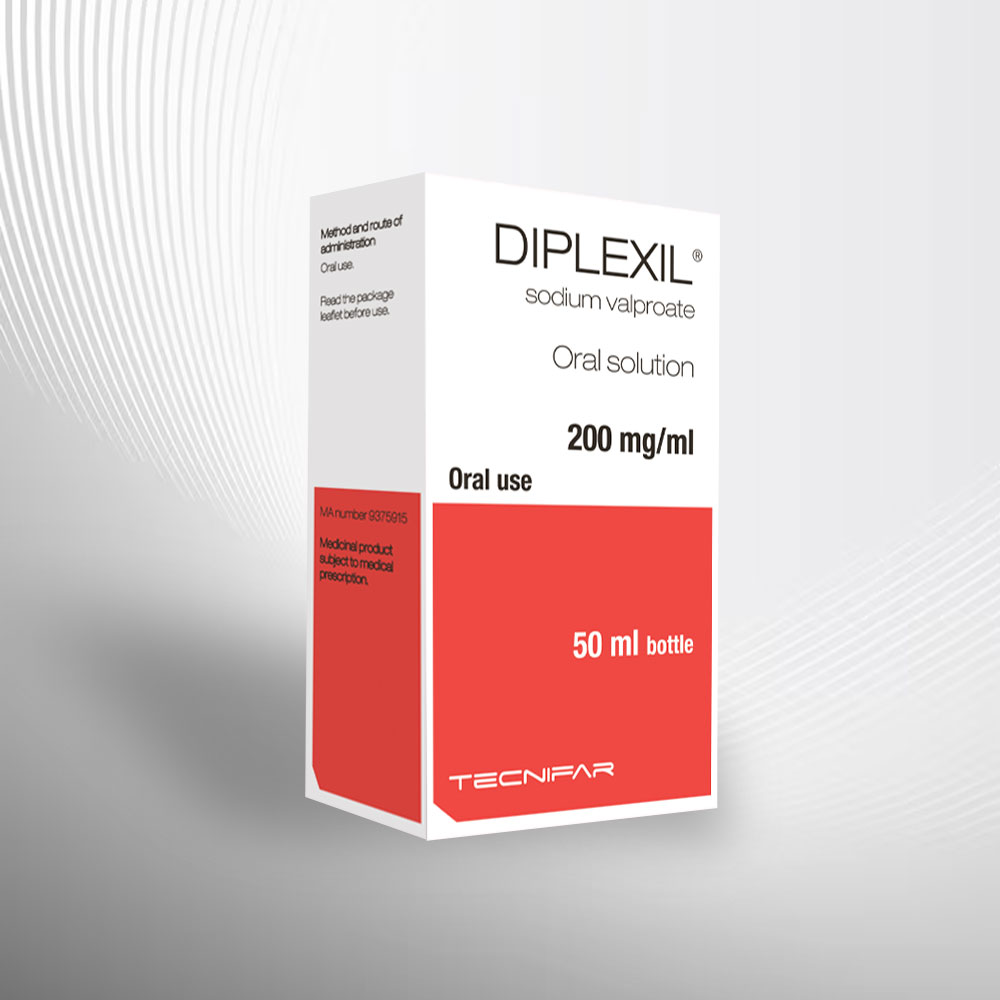
Instructions for use of the medicinal product (patient information leaflet)
This medicinal product is subject to additional monitoring. This will allow quick identification of new safety information. Healthcare professionals are asked to report any suspected adverse reactions. See the section on reporting adverse reactions.
DIPLEXIL 200 mg/ml oral solution
DIPLEXIL
International Nonproprietary Name (INN): Valproate sodium
Composition
Active substance: 1 ml of solution contains 200 mg of sodium valproate.
Excipients: saccharin sodium, sodium methyl parahydroxybenzoate (E219), raspberry flavoring, sodium propyl parahydroxybenzoate (E217), purified water.
Description
It is a colorless liquid.
Pharmacotherapeutic group
Antiepileptic and anticonvulsant agent.
ATC code: N03AG01.
Pharmacological properties
Pharmacodynamics
Valproic acid is a substance known for many years for its anticonvulsant properties, used in epilepsy, especially effective in cryptogenic, essential or idiopathic epilepsy.
It is a branched-chain fatty acid with two symmetrical unbranched side chains, containing no nitrogen atoms.
The excellent antiepileptic effect of the drug has been significantly proven and has generated great interest regarding its mechanism of action, which is assumed to be related to an increase in the levels of gamma-aminobutyric acid (GABA) in the brain. However, its exact mechanism of action has not yet been fully elucidated.
GABA is structurally similar to glycine and taurine, and their distribution in the body is restricted to the central nervous system.
It is found in high concentrations in certain areas of the brain, and animal studies have shown that it is released from the cerebral cortex in amounts proportional to the level of corticosteroid activity. Unlike glutamic acid, which has a neuronal stimulatory effect, GABA reduces the activity of spinal cord and brain cells.
It has been determined that sodium valproate significantly increases GABA levels in the brain and cerebellum, and these results are directly related to the anticonvulsant effect of the drug against induced seizures in experimental animals.
Clinical experience has shown that Diplexil affects all forms of primary generalized epilepsy, with the best results achieved in the case of generalized non-convulsive epilepsy of Petit Mal type; atypical absences respond better after using the product.
In mixed epilepsy, elimination or a significant reduction in absences is observed, as well as a more or less pronounced reduction in generalized convulsive seizures.
Finally, as for complex partial seizures, only partial seizures of minor or moderate complexity respond positively, while more complex ones remain unchanged.
Clinical improvement is usually accompanied by the disappearance or reduction of electroencephalographic symptoms.
Pharmacokinetics
Sodium valproate is rapidly and completely absorbed from the gastrointestinal tract, reaching a steady-state plasma concentration after 3-4 hours.
Absorption of the preparation may be delayed when taken with food, but this does not affect overall bioavailability. The volume of distribution is mainly limited to blood and extracellular fluids, distributing through the blood-brain barrier (BBB).
Valproate is metabolized exclusively in the liver and excreted almost completely in the urine as metabolites, with minimal amounts eliminated by the liver and lungs.
Valproic acid is highly bound to plasma proteins (approximately 90%), and therefore increasing the dose may lead to a decrease in protein binding capacity and consequently a decrease in valproate clearance and excretion.
The half-life of valproic acid can range between 6-16 hours; it is shorter in epileptic patients treated with other antiepileptic drugs; in patients receiving valproate alone, the half-life was in the higher part of this range.
Therapeutic efficacy of valproate is achieved with plasma concentrations between 40-100 mg/l.
Valproic acid crosses the placenta and is excreted in small amounts in breast milk.
In children over 10 years of age and adolescents, valproate clearance is similar to that in adults. In pediatric patients under 10 years of age, the systemic clearance of valproate varies with age. In newborns and infants under 2 months of age, valproate clearance is reduced compared to adults and is lowest immediately after birth. According to scientific literature data, the half-life of valproate in infants up to 2 months of age showed significant variability ranging from 1 to 67 hours. In children aged 2-10 years, valproate clearance is 50% higher than in adults.
Indications for use
Generalized and partial epilepsy:
- Primary forms of generalized epilepsy: Petit mal, Grand mal seizures, myoclonic epilepsy;
- Partial seizures: simple and complex;
Secondary forms of generalized epilepsy: Lennox-Gastaut syndrome, West syndrome;
- Mixed forms.
Certain types of epilepsy:
- Febrile convulsive seizures in children.
- Sleep disorders.
Behavioral changes associated with epilepsy.
Contraindications
Diplexil is contraindicated in the following cases:
- Acute hepatitis.
- Chronic hepatitis.
- Severe hepatic impairment.
- Hypersensitivity to the active substance or to any of the excipients listed.
- Valproate is contraindicated in patients with mitochondrial disorders caused by mutations in the nuclear gene encoding the mitochondrial polymerase γ (POLG) enzyme, e.g., Alpers-Huttenlocher syndrome, and in children under two years of age suspected of having a POLG-related disorder.
Epilepsy treatment:
- During pregnancy, unless there is no suitable alternative treatment.
- In women of childbearing potential, unless the conditions of the pregnancy prevention program are met.
Special warnings and precautions for use
Given reports of thrombocytopenia, inhibition of the second phase of platelet aggregation, and abnormal coagulation parameters, routine coagulation tests and platelet counts are recommended before starting treatment with Diplexil, especially if the patient is scheduled for surgery.
If bleeding, hemorrhage, or other changes in hemostasis/coagulation occur, the dose should be reduced or treatment discontinued.
Since Diplexil may interact with concomitantly administered antiepileptic drugs, regular determination of plasma concentrations of other co-administered drugs should be performed, especially at the beginning of treatment.
Concomitant use of sodium valproate and carbapenem antibiotics is not recommended.
Diplexil is excreted in the urine, mainly as a ketometabolite, which may lead to false-positive results in urine screening tests for diabetes mellitus.
It is also recommended to perform liver function tests before starting treatment and during the first 6 months when the dose is increased.
If any sign of hepatic impairment appears, treatment must be discontinued, and Diplexil should not be prescribed to patients with a history of liver disease.
Pancreatic function should be monitored.
Patients with known or suspected mitochondrial disease:
Valproate may trigger or worsen clinical signs of underlying mitochondrial diseases caused by mitochondrial DNA mutations as well as the nuclear-encoded POLG gene. In particular, a higher frequency of valproate-induced acute liver failure and liver-related deaths has been reported in patients with hereditary neurometabolic syndromes caused by mutations in the mitochondrial enzyme polymerase γ (POLG) gene, e.g., Alpers-Huttenlocher syndrome.
POLG-related disorders should be suspected in patients with a family history or symptoms of POLG-related disorders, including unexplained encephalopathy, refractory epilepsy (focal, myoclonic), status epilepticus, developmental delay, psychomotor regression, axonal sensorimotor neuropathy, myopathy, cerebellar ataxia, ophthalmoplegia, or migraine with occipital aura. POLG mutation testing should be performed in accordance with current clinical practice for the diagnostic evaluation of such disorders.
Suicidal ideation and behavior have been reported in patients treated with antiepileptic agents in several indications. A meta-analysis of randomized placebo-controlled trials of antiepileptic drugs has also shown a small increase in the risk of suicidal ideation and behavior. The mechanism of this risk is not known, and available data do not exclude the possibility of an increased risk for sodium valproate. Therefore, patients should be monitored for signs of suicidal ideation and behavior, and appropriate treatment should be considered. Patients (and caregivers) should be advised to seek medical advice immediately if signs of suicidal ideation or behavior appear.
Pregnancy Prevention Program
Valproate has a high teratogenic potential, and children exposed to valproate in utero have a high risk of congenital malformations and neurodevelopmental disorders.
Diplexil is contraindicated in the following cases:
During pregnancy - unless there is no suitable alternative treatment.
In women of childbearing potential, unless the conditions of the pregnancy prevention program are met.
Conditions of the Pregnancy Prevention Program:
The physician must ensure that:
- individual circumstances should be evaluated in each case, involving the patient in the discussion to ensure their participation, to discuss therapeutic options, and to ensure their understanding of the risks and measures required to minimize them;
- the potential for pregnancy is assessed for all female patients;
- the patient has understood and acknowledged the risks of congenital malformations and neurodevelopmental disorders, including the magnitude of these risks for children exposed to valproate in utero;
- the patient understands the need to undergo pregnancy testing prior to initiation of treatment and during treatment as needed;
- the patient is counseled on contraception and is able to comply with the requirement to use continuous effective contraception throughout the duration of treatment with valproate;
- the patient understands the need for regular (at least annual) review of treatment by a specialist experienced in the management of epilepsy;
- the patient understands the need to consult her physician as soon as she plans a pregnancy to ensure timely discussion and transition to alternative treatment options before conception and before contraception is discontinued;
- the patient understands the need to contact her physician urgently in case of pregnancy;
- the patient has received the patient guide;
- the patient has acknowledged that she understands the hazards and necessary precautions associated with the use of valproate (Annual Risk Acknowledgement Form).
These conditions also apply to women who are not currently sexually active, unless the physician considers that there are compelling reasons to indicate that there is no risk of pregnancy.
Female children
Physicians must ensure that parents/caregivers of female children using valproate understand the need to contact the specialist once the child experiences menarche.
The physician should provide comprehensive information to parents/caregivers of girls experiencing menarche about the risks of congenital malformations and neurodevelopmental disorders, including the magnitude of these risks for children exposed to valproate in utero.
In patients experiencing menarche, the specialist should re-evaluate the need for valproate therapy annually and consider alternative treatment options. If valproate is the only suitable treatment, the need for effective contraception and all other conditions of the pregnancy prevention program should be discussed. The specialist should make every effort to transition underage girls to alternative treatments.
Pregnancy testing
Pregnancy must be excluded before starting treatment with valproate. Treatment with valproate should not be initiated in women of childbearing potential without a medically confirmed negative pregnancy test (plasma pregnancy test) result, to exclude unintended use during pregnancy.
Contraception
Women of childbearing potential who are prescribed valproate must use continuous effective contraception throughout the entire duration of treatment. These patients should be provided with comprehensive information on pregnancy prevention and referred for contraceptive advice if they are not using effective contraception. At least one effective method of contraception (such as an intrauterine device or implant which are user-independent) or two complementary forms of contraception including a barrier method should be used. When choosing the method of contraception, individual circumstances should be evaluated in each case, involving the patient in the discussion to ensure her engagement and compliance with the chosen measures. All recommendations regarding effective contraception must be followed, even in the event of amenorrhea.
Annual treatment reviews by a specialist
The specialist should review at least once a year whether valproate is the most appropriate treatment for the patient. The specialist should discuss the risk acknowledgement form at initiation and during each annual review, and ensure that the patient understands its content.
Pregnancy planning
In case of epilepsy, if a woman plans to become pregnant, a specialist experienced in the management of epilepsy should re-evaluate valproate therapy and consider alternative treatment options. Every effort should be made to transition to an appropriate alternative treatment prior to conception and before contraception is discontinued. If transition is not possible, the woman should receive additional counseling regarding the risks of valproate for the unborn child to support her in making an informed decision about family planning.
In case of pregnancy
If a woman using valproate becomes pregnant, she must immediately contact the specialist to re-evaluate treatment with valproate and consider alternative options. Pregnant patients receiving valproate and their partners should be referred to a specialist experienced in teratology for evaluation and counseling in this situation.
The pharmacist must ensure that:
- the patient card is provided with each valproate dispensing and patients understand its content;
- patients are advised not to discontinue valproate and to contact the specialist immediately in the event of planned or suspected pregnancy.
Educational materials
To help healthcare professionals and patients avoid valproate exposure during pregnancy, the marketing authorization holder has provided educational materials to reinforce warnings and provide recommendations regarding the use of valproate in women of childbearing potential, as well as details of the pregnancy prevention program. All women of childbearing potential receiving valproate should be provided with the patient guide and patient card.
The Annual Risk Acknowledgement Form should be used at the initiation of treatment and during each annual review of valproate treatment by the specialist.
Diplexil oral solution contains sodium methyl parahydroxybenzoate and sodium propyl parahydroxybenzoate, which may cause allergic reactions (possibly delayed).
Sodium content
Diplexil, oral solution: This medicinal product contains 28 mg of sodium per 1 ml of oral solution, which is equivalent to 1.4% of the WHO recommended maximum daily intake of sodium for an adult.
Interaction with other medicinal products
Valproic acid binds to plasma proteins, making it particularly susceptible to drug interactions with drugs that compete for the same binding sites, such as acetylsalicylic acid, carbamazepine, phenobarbital, and dicoumarol.
There is evidence that valproate may increase plasma phenobarbital levels as a result of impairment of non-renal clearance. This phenomenon may cause central nervous system depression.
Therefore, it is recommended that all patients receiving concomitant treatment with barbiturates should be closely monitored for neurological toxicity, and the dose of the barbiturate reduced if necessary.
When co-administered, alterations in plasma phenytoin levels have been reported, with both increases and decreases in phenytoin levels. Therefore, the dose of phenytoin should be adjusted according to the clinical situation.
Concomitant use of valproate and clonazepam may induce absence seizures.
Caution is advised when using valproate concomitantly with drugs affecting coagulation (e.g., acetylsalicylic acid and warfarin).
Concomitant use of valproate with metamizole, which is an inducer of metabolizing enzymes including CYP2B6 and CYP3A4, may cause a decrease in plasma concentration of valproate and a potential decrease in clinical efficacy. Therefore, caution is recommended during co-administration of metamizole and valproate; clinical response and/or drug levels should be monitored accordingly.
Decreased blood levels of valproic acid have been reported when co-administered with carbapenem antibiotics, resulting in a 60-100% decrease in valproic acid levels within two days. Due to the rapid onset and degree of decrease, co-administration of carbapenem agents in patients stabilized on valproic acid is not considered manageable and should therefore be avoided.
Diplexil may potentiate the CNS depressant effect of alcohol.
Use during pregnancy and lactation
Sodium valproate is the drug of choice for the treatment of certain types of epilepsy, such as generalized epilepsy with or without myoclonus and/or photosensitivity. In partial epilepsy, sodium valproate should only be used if resistant to other medications.
Valproate is contraindicated during pregnancy as a treatment for epilepsy unless there is no suitable alternative treatment. Valproate is contraindicated in women of childbearing potential unless the conditions of the pregnancy prevention program are met.
Pregnancy risk associated with valproate
Both valproate monotherapy and valproate polytherapy are associated with abnormal pregnancy outcomes. Available data indicate that antiepileptic polytherapy, including valproate, is associated with a higher risk of congenital malformations than valproate monotherapy.
Congenital malformations
Data from meta-analyses (including registries and cohort studies) showed that 10.73% of children of women with epilepsy exposed to valproate monotherapy during pregnancy suffered from congenital malformations (95% CI: 8.16 - 13.29). This represents a higher risk of major malformations compared to the general population, where the risk is approximately 2-3%. The risk is dose-dependent, but a threshold dose below which no risk exists cannot be established.
Available data show an increase in major and minor malformations. The most common types of malformations include neural tube defects, facial dysmorphism, cleft lip and palate, kraniostenoz (craniostenosis), cardiac, renal and urogenital defects, limb defects (including bilateral radial aplasia), and multiple anomalies involving various body systems.
Exposure to valproate in utero may result in eye defects (including coloboma, microphthalmos), reported in association with other congenital malformations. These eye defects can affect vision.
Teratogenicity and developmental effects
Data show that exposure to valproate in utero can negatively affect mental and physical development in children. The risk seems to be dose-dependent, but a threshold dose below which no risk exists cannot be determined based on available data. The exact gestational period of risk for these effects is uncertain and the possibility of risk throughout the entire pregnancy cannot be ruled out.
Studies in preschool children exposed to valproate in utero show that up to 30-40% of them experience delays in early development, such as talking and walking later, lower intellectual abilities, poor language skills (speaking and understanding), and memory problems.
Intelligence quotient (IQ) measured in school-aged children (6 years old) with a history of exposure to valproate in utero was on average 7-10 points lower than in children exposed to other antiepileptic drugs. Although the role of confounding factors cannot be excluded, there is evidence that the risk of cognitive impairment in children exposed to valproate may depend on maternal IQ.
There are limited data on long-term outcomes.
Available data show that children exposed to valproate in utero have an increased risk of autism spectrum disorder (approximately three-fold) and childhood autism (approximately five-fold) compared with the general study population.
Limited data suggest that children exposed to valproate in utero are more likely to develop symptoms of attention deficit hyperactivity disorder (ADHD).
If a woman plans a pregnancy
For the indication of epilepsy, if a woman plans to become pregnant, a specialist experienced in the management of epilepsy should re-evaluate valproate therapy and consider alternative treatment options. Every effort should be made to transition to an appropriate alternative treatment before pregnancy and before contraception is discontinued. If transition is not possible, the woman should receive additional counseling regarding the risks of valproate for the unborn child to support her in making an informed decision about family planning.
Pregnant women
Valproate is contraindicated in pregnancy as a treatment for epilepsy unless there is no suitable alternative treatment.
If a woman using valproate becomes pregnant, she must immediately contact the specialist to consider alternative treatment options. Tonic-clonic seizures and status epilepticus with hypoxia in the mother during pregnancy can carry a specific risk of death for the mother and the unborn child.
If, despite the known risks of valproate in pregnancy and after careful consideration of alternative treatments, in exceptional circumstances a pregnant woman must receive valproate for epilepsy, it is recommended:
- Use the lowest effective dose and divide the daily dose of valproate into several small doses to be taken throughout the day. The use of prolonged-release formulations may be preferred over other treatment options to avoid high peak plasma concentrations.
All patients exposed to valproate during pregnancy and their partners should be referred to a specialist experienced in teratology for evaluation and counseling regarding the exposed pregnancy. Specialized prenatal monitoring should be performed to detect the possible occurrence of neural tube defects or other malformations. Folate supplementation before pregnancy may decrease the risk of neural tube defects that can occur in all pregnancies.
However, available evidence does not suggest that it prevents birth defects or developmental defects associated with valproate exposure.
Risk in newborns
- Cases of hemorrhagic syndrome have been reported very rarely in neonates whose mothers took valproate during pregnancy. This hemorrhagic syndrome is related to thrombocytopenia, hypofibrinogenemia and/or a decrease in other coagulation factors. Afibrinogenemia, which can be fatal, has been reported. However, this syndrome must be distinguished from the decrease in vitamin K factors induced by phenobarbital and enzyme inducers. Therefore, platelet count, plasma fibrinogen level, coagulation tests, and coagulation factors should be investigated in neonates.
- Cases of hypoglycemia have been reported in neonates whose mothers took valproate during the third trimester of pregnancy.
- Cases of hypothyroidism have been reported in neonates whose mothers took valproate during pregnancy.
- Withdrawal syndrome (particularly agitation, irritability, hyperexcitability, jitteriness, hyperkinesia, muscle tone disorders, tremor, convulsions, and feeding disorders) may occur in neonates whose mothers took valproate during the last trimester of pregnancy.
Lactation period
Valproate is excreted in breast milk with concentrations ranging between 1% to 10% of maternal plasma concentrations. Hematological disorders have been observed in breastfed newborns/infants of treated women.
The decision to discontinue breastfeeding or to discontinue/abstain from treatment with Diplexil should be made taking into account the benefit of breastfeeding for the child and the benefit of therapy for the woman.
Fertility
Amenorrhea, polycystic ovaries, and elevated testosterone levels have been observed in women taking valproate.
Fertility is restored after discontinuation of treatment.
Effects on ability to drive and use machines
Since Diplexil may exert a depressive effect on the central nervous system, especially when taken with alcohol or other central nervous system depressants, patients are advised not to engage in hazardous occupations, such as driving or operating machinery, until they are certain that the drug does not cause drowsiness.
Method of administration and dosage
The average daily dose is determined based on the patient's weight and should be administered in two or three divided doses, taken during meals. Sodium valproate therapy should be initiated progressively, starting with low doses of approximately 15 mg/kg/day, with progressive increments of 5-10 mg/kg/day at 5-7 day intervals, until the optimal daily dose is reached, showing a good correlation between satisfactory seizure control and a low level of undesirable clinical or biological effects.
Monotherapy as first choice
Recommended average daily dose:
- 30 mg/kg in infants and children up to 3 years of age (approximately 400 mg), preferably using the oral solution.
- 30-40 mg/kg in children over 3 years of age (approximately 600 mg to 1 g).
- 20-30 mg/kg in adolescents and adults (approximately 800-1400 mg or more if required), preferably using 500 mg gastro-resistant tablets.
- 15 mg/kg in the elderly.
Average daily doses higher than those recommended in monotherapy are rarely required.
If the dose is equal to or greater than 50 mg/kg/day, monitoring blood levels is recommended. The maximum recommended dose is 60 mg/kg/day.
Female children and women of childbearing potential
Valproate must be initiated and supervised by a specialist experienced in the treatment of epilepsy. Valproate should not be used in female children or women of childbearing potential unless other treatments are ineffective or not tolerated.
Valproate is prescribed and dispensed in accordance with the Pregnancy Prevention Program.
Valproate should be prescribed as monotherapy and, if possible, as a prolonged-release formulation at the lowest effective dose. The daily dose should be divided into at least two single doses.
Concomitant use with other antiepileptic drugs
Valproate is usually introduced gradually until the optimal dose is reached, which is close to or sometimes higher than the dose used in monotherapy. When initiating concomitant treatment with valproate, the daily dose of other drugs should be reduced by a quarter. If valproate replaces previous treatment, the discontinuation of other antiepileptic drugs should be performed gradually over several weeks.
In patients with renal impairment
In patients with renal impairment, it may be necessary to reduce the dose, or in patients on hemodialysis, to increase the dose. Valproate is dialyzable. The dose should be modified in accordance with clinical observation of the patient.
Method of administration of the oral solution
For first-time use, remove the protective cap of the vial and place the dosing pipette, which is in a separate package. Adjust the required volume depending on the prescribed dose. To facilitate the rise of liquid in the pipette, it is recommended to squeeze the rubber bulb twice.
It is recommended to mix the solution with non-carbonated sweetened or unsweetened water.
The vial must be tightly closed after each use with the pipette inserted into the liquid.
Undesirable effects
Diplexil is usually well tolerated, showing low toxicity and rare side effects. However, digestive disorders (nausea and vomiting) may occur at the beginning of treatment, which are generally eliminated by continuing treatment or by using gastric protectors. Taking the drug after meals can reduce these gastrointestinal effects.
Gastro-resistant tablets generally show minor gastrointestinal effects.
Rarely, anorexia accompanied by weight loss or increased appetite resulting in weight gain has been reported.
Edema of the extremities is noted rarely.
CNS effects
In some cases, tremors, which may be dose-dependent, have been reported. Rarely, sedation may occur (generally observed in patients receiving polytherapy), ataxia, headaches, confusion, nystagmus, coordination disorders, extrapyramidal disorders, and diplopia.
Dermatological effects
Transient alopecia, followed by growth of curly hair and often accompanied by disorders of nails and nail beds, may be observed.
Rarely, rash, erythema multiforme, and generalized pruritus may be observed.
Psychiatric disorders
There have been reports of emotional disorders, depression, psychosis, aggression, and hyperactivity.
Musculoskeletal and connective tissue disorders
General weakness may occur.
Decreased bone mineral density, osteopenia, osteoporosis, and fractures have been reported in patients taking sodium valproate for long periods. The mechanism of action of sodium valproate on bone metabolism has not been established.
Blood and lymphatic system disorders
Cases of thrombocytopenia have been reported, especially at high doses.
Valproate inhibits the secondary phase of platelet aggregation, which may be reflected in a reversible alteration of bleeding time.
The appearance of bruising, petechiae, and bleeding may be observed.
There are also cases associated with leukopenia, eosinophilia, anemia, and bone marrow suppression.
Hepatobiliary disorders
Minor increases in transaminases and LDH levels are frequent and dose-dependent.
Sometimes, laboratory tests may show increased bilirubin in plasma and abnormal alterations in other liver functions. In this case, the results may reflect potentially severe hepatotoxicity.
Endocrine disorders
Irregular menstruation and secondary amenorrhea have been reported. In isolated cases, abnormal thyroid function test results have been reported.
Pancreatic disorders
In isolated cases, acute pancreatitis may be observed.
Metabolism and nutrition disorders
Hyperammonemia. Obesity, rarely.
Congenital, familial and genetic disorders
Congenital malformations and developmental disorders.
Children
The safety profile of valproate in children is comparable to that in adults, but some adverse drug reactions are more severe or mainly observed in children. In infants and especially in children under 3 years of age, there is a risk of severe liver injury. Children are also at risk of pancreatitis. These risks decrease with age. Psychiatric disorders such as aggression, agitation, attention deficit, abnormal behavior, psychomotor hyperactivity, and learning disorder are mainly observed in children.
Overdose
The clinical presentation of valproate overdose normally includes muscular hypotonia, miosis, decreased respiratory autonomy, and a more or less deep quiet coma.
Hospital measures include:
- Gastric lavage: Since Diplexil is rapidly absorbed, the success of gastric lavage depends on the time elapsed since ingestion (maximum 10-12 hours).
- Achieving osmotic diuresis under cardiorespiratory monitoring.
- In very severe cases, hemodialysis or exchange transfusion may be performed.
- Naloxone, which has the ability to reverse the central nervous system depressant effects of valproate, has been successfully used in overdose. However, it should be used with caution, as it can theoretically also reverse the antiepileptic effects of valproate.
Presentation
50 ml of solution in an amber glass bottle with a polypropylene cap. A glass pipette/dropper that can be fitted to the bottle is also included in a separate PVC/aluminum blister. 1 bottle is packaged in a cardboard box along with a package leaflet.
Storage conditions
Store at temperatures not exceeding 25ºC in the original package to protect from light and out of the reach of children.
The bottle must be tightly closed after each use.
Sodium valproate is a highly hygroscopic substance. Therefore, strict adherence to the storage specifications is recommended for DIPLEXIL.
Shelf life
3 years.
After first opening of the bottle, Diplexil oral solution must be used completely in accordance with the recommended dosage.
Dispensing conditions
Subject to medical prescription.
Manufacturer
Lusomedicamenta Sociedade Tecnica Farmaceutica S.A., Portugal.
Estrada Consiglieri Pedroso 69B Queluz de Baixo 2730-055 Barcarena, Portugal.
Marketing Authorization Holder
LN COMPANY LLC, Republic of Azerbaijan.
Khirdalan city, Baku-Guba highway, 12 km, building 2, №3, Republic of Azerbaijan.